posted by livingstoneg at
11:40 PM
|
0 comments

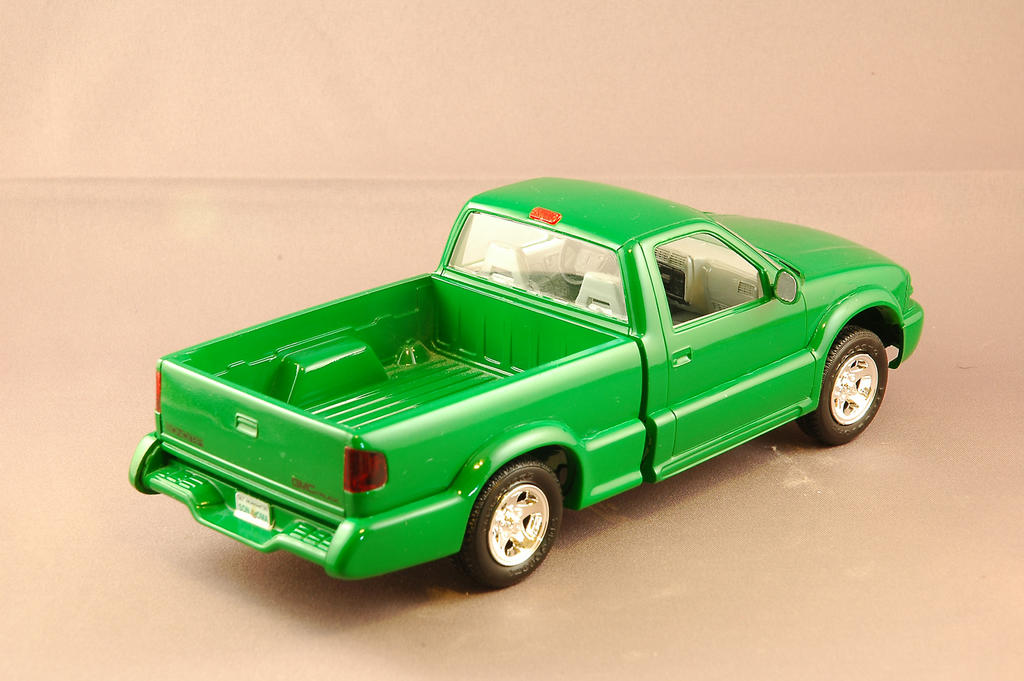
 The first compact pickup truck from General Motors was the rebadged Isuzu KB sold since 1972 as the Chevrolet LUV. The 1973 Arab Oil Embargo forced GM to consider designing a domestically-produced compact pickup truck, however. As usual, parts from other GM chassis lines (primarily from the GM G-body intermediates) were incorporated. The first S-series trucks were introduced in 1982. The Chevrolet and GMC models were identical apart from the grille. An extended cab and "Insta-Trac" four wheel drive were added the next year along with two new engines.
posted by livingstoneg at
11:37 PM
|
0 comments
posted by livingstoneg at
11:34 PM
|
0 comments

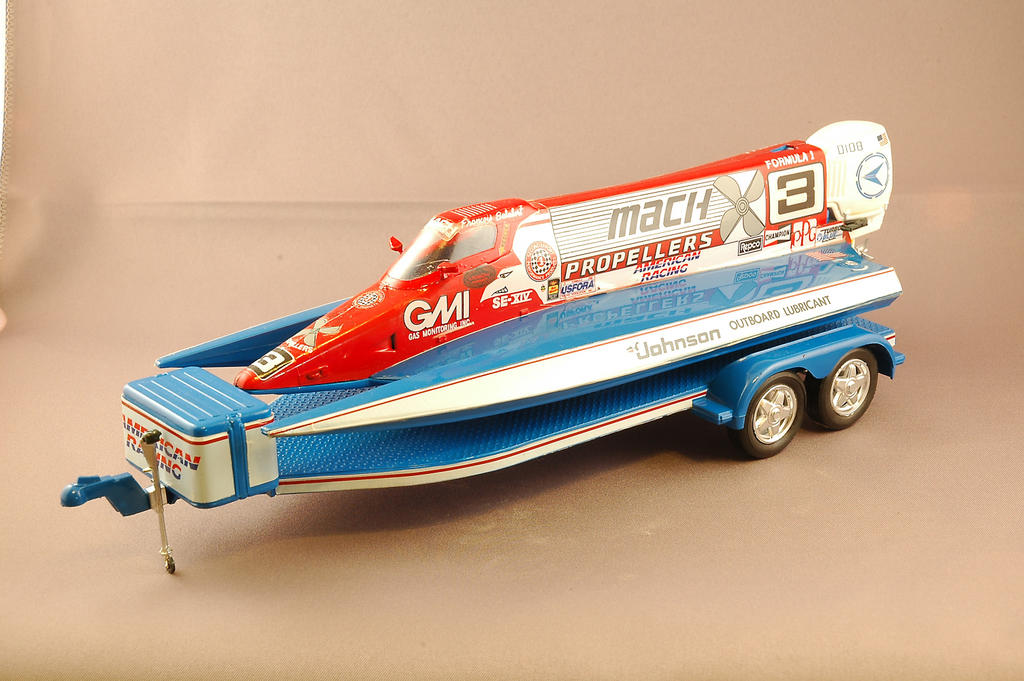
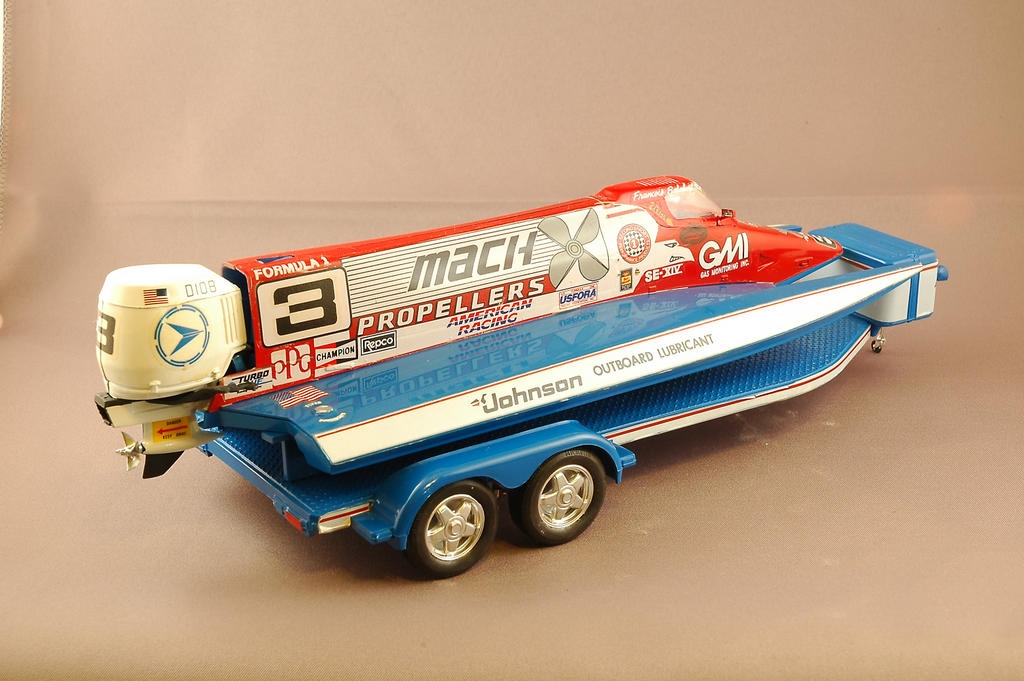
Inaugurated in 1981, the F1 Powerboat World Championship is similar to Formula 1 car racing and similar rules apply. Each F1 Powerboat race lasts approximately 45 minutes following a circuit marked out in a selected stretch of water, usually a lake, river, or sheltered bay.
Qualifying periods decide the formation of the grid, and timing equipment records the performance of competitors to decide the final classification and all-important allocation of championship points.
F1 racing uses tunnel hull catamarans that are capable of both high speed and exceptional maneuverability. Overall, the boats weigh 860 pounds (390 kilogrammes), including 260 pounds (118 kilogrammes) of engine. They are 20 feet (6 metres) long and seven feet (2 metres) wide, keeping weight low through extensive use of carbon fiber and kevlar. the tunnel hull design creates an air cushion under the hull, so that at speed only a few inches touch the water, leading to the high speed possible with these hulls.
posted by livingstoneg at
11:32 PM
|
0 comments

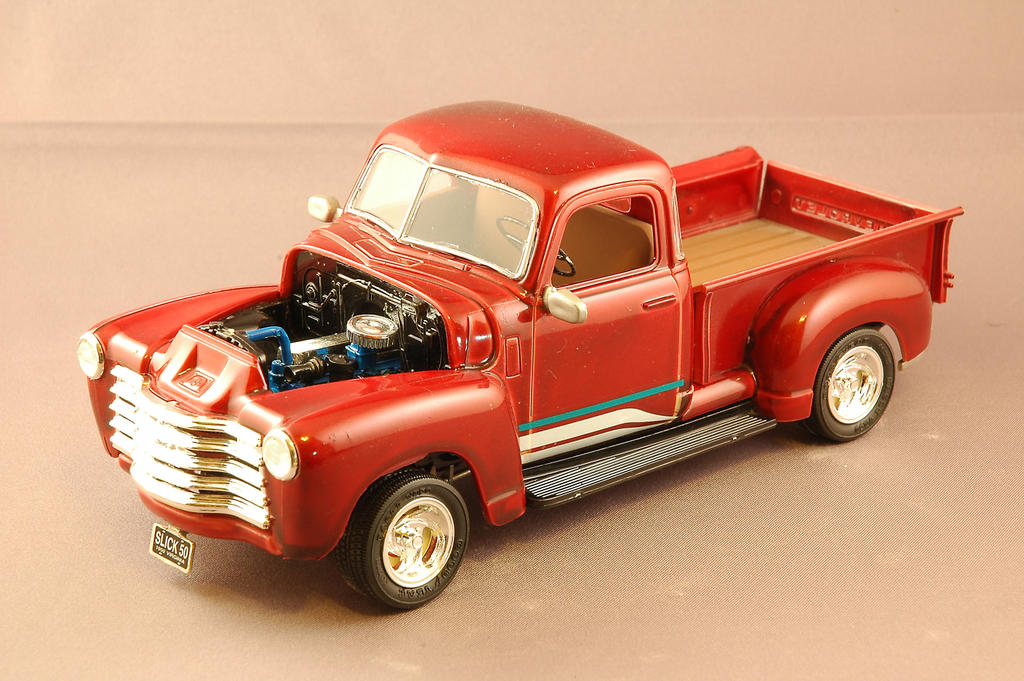
After extensive research regarding what business owners wanted in a new truck, Chevrolet's designers penned the new Advanced Design Era truck, with a completely welded cab that was eight inches wider and seven inches longer, offering their first three-man seat that was fully adjustable. A new, larger windshield and bigger side and rear windshield vastly improved safety and drivability. Higher and wider cab doors made entry and exit easier. Another new feature that further contributed to driver comfort and safety was a fresh-air heater/defroster system that brought fresh outside air into the cab and forced used air out through vents at the rear of the cab.
In 1950, the 216.5 cubic-inch six was tweaked to put out 92 horsepower at 3,400 rpm and 176 ft-lbs of torque at 1,500 rpm. These trucks continued into 1955 and remained on sale until March 25, 1955, when all-new early V-8 pickup trucks were announced by Chevrolet.
It should come as no surprise that Chevrolet pickups were number one in sales during every year of the Advance Design Era, and this 1950 3100-series Chevy pickup is one of the most desirable models from that era.
More information:
http://www.chevytrucks.org/resources/history_of_chevy_trucks.htm
posted by livingstoneg at
11:25 PM
|
0 comments

In 1937 Ford had one of it’s best truck sale years ever. Milk was .14 cents a quart, gas was 5 gallons for a dollar and the average American workers yearly salary was $1,368 dollars. Franklin Roosevelt was trying to help the 48 states recover from the depression with the New Deal. Money was scarce, so people spent wisely. Route 66 was completed in 1937 and people bought cars and trucks to travel Americas new highways.
Although Ford mass produced trucks in the 1930’s, to find one in good condition today, is rare. The average truck purchased in the 1930’s was used for hard work. Recreational vehicles were a luxury that few could afford. American life was very hard in those days. Trucks were used locally to haul everything from furniture to produce, typically on dirt roads or through fields. Because they were used for such hard work, few trucks have survived in good condition. Most ended up rusting away in a field or cannibalized for parts.
With features very different from earlier 1930's years the 1937 model trucks were one of a kind and very popular. The 1937 model included running boards, bug eye headlights and a tilt front windshield. It was the last model year to have a side opening hood and ribbed radiator grill. Because Ford dramatically redesigned the model in 1938, finding replacement parts for the 1937 is difficult. Many of the parts such as the ribbed radiator grill have never been manufactured after 1937. So collectors must try to locate a rare used piece or have one custom made.
posted by livingstoneg at
11:22 PM
|
0 comments
All model were personally build but commentaries were taken from information available in the web.